

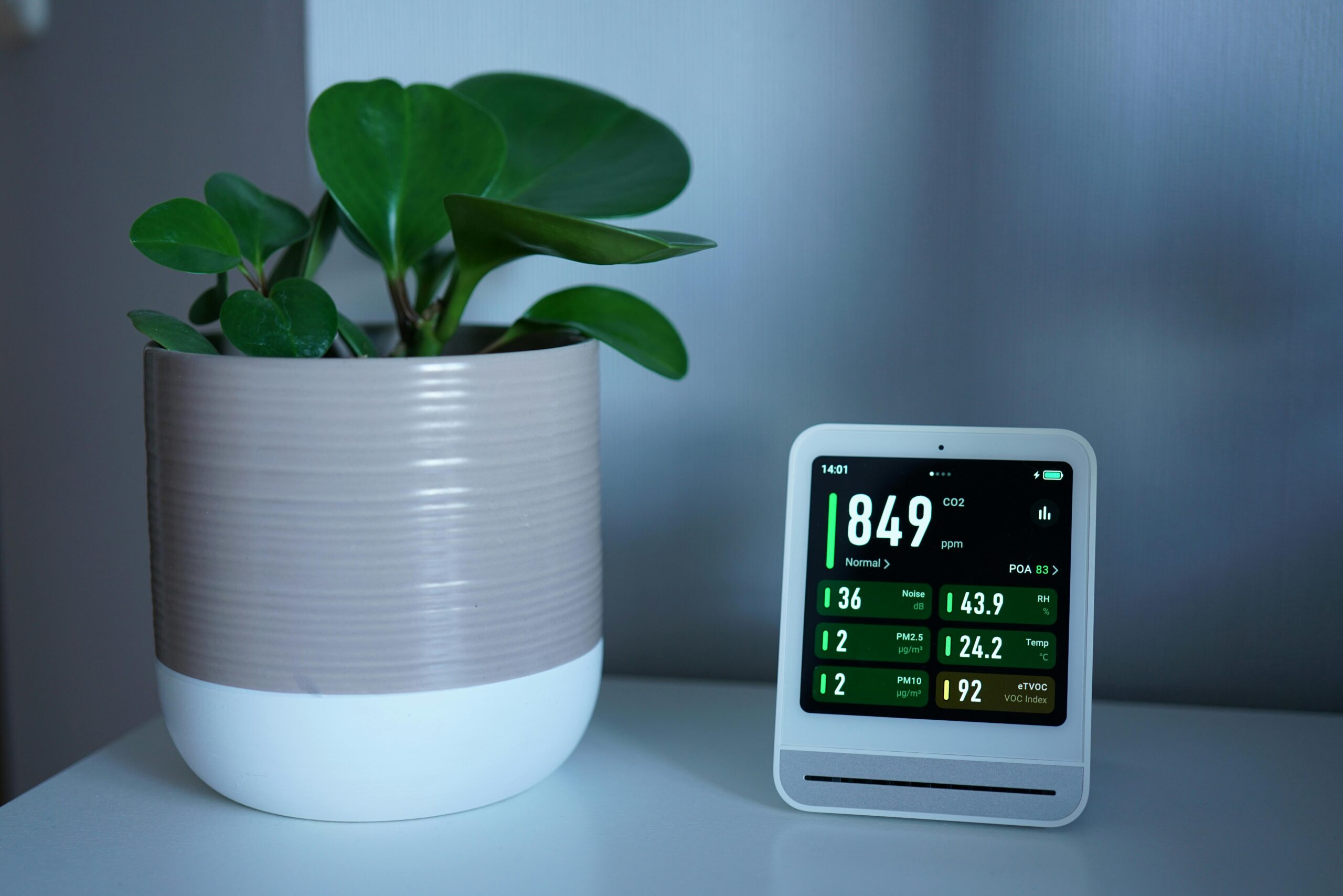
home air quality monitor devices are now essential for families who want clear, actionable insights to protect their indoor health, comfort, and productivity.
Key Takeaways
- Modern home air quality monitors track crucial pollutants and comfort factors, making invisible risks obvious and actionable.
- Choosing a user-friendly, well-supported system with accurate sensors yields much better health and productivity outcomes than going cheap.
- Smart troubleshooting and vendor support are central—nearly three-quarters of buyers (73%) value a great experience over price.
- Why a home air quality monitor matters now
- What sensors and metrics you need (PM2.5, PM10, VOC, CO2, humidity, temp)
- Interpreting readings — how to identify indoor pollution sources
- CO2 levels, ventilation and home office productivity
- How to choose the best air quality monitor for home 2026
- Whole-home air purifiers with monitoring and smart integration
- Common user pain points and how to avoid them
- Maintenance, calibration, warranties and vendor support expectations
- Actionable 30-day plan to improve home indoor air quality using a monitor
- Quick buying checklist and closing recommendations
- FAQ
Why a home air quality monitor matters now
If you’re sensitive to pollen, have a newborn, or spend hours in a home office, indoor air quality isn’t something to leave to guesswork. Everyday activities—think cleaning, cooking, or painting—can send pollutant levels spiking. For example, Sarah notices her home air quality monitor flashes a VOC warning right after using a new floor cleaner. This data gives her a clear path to act, rather than just hoping for the best.
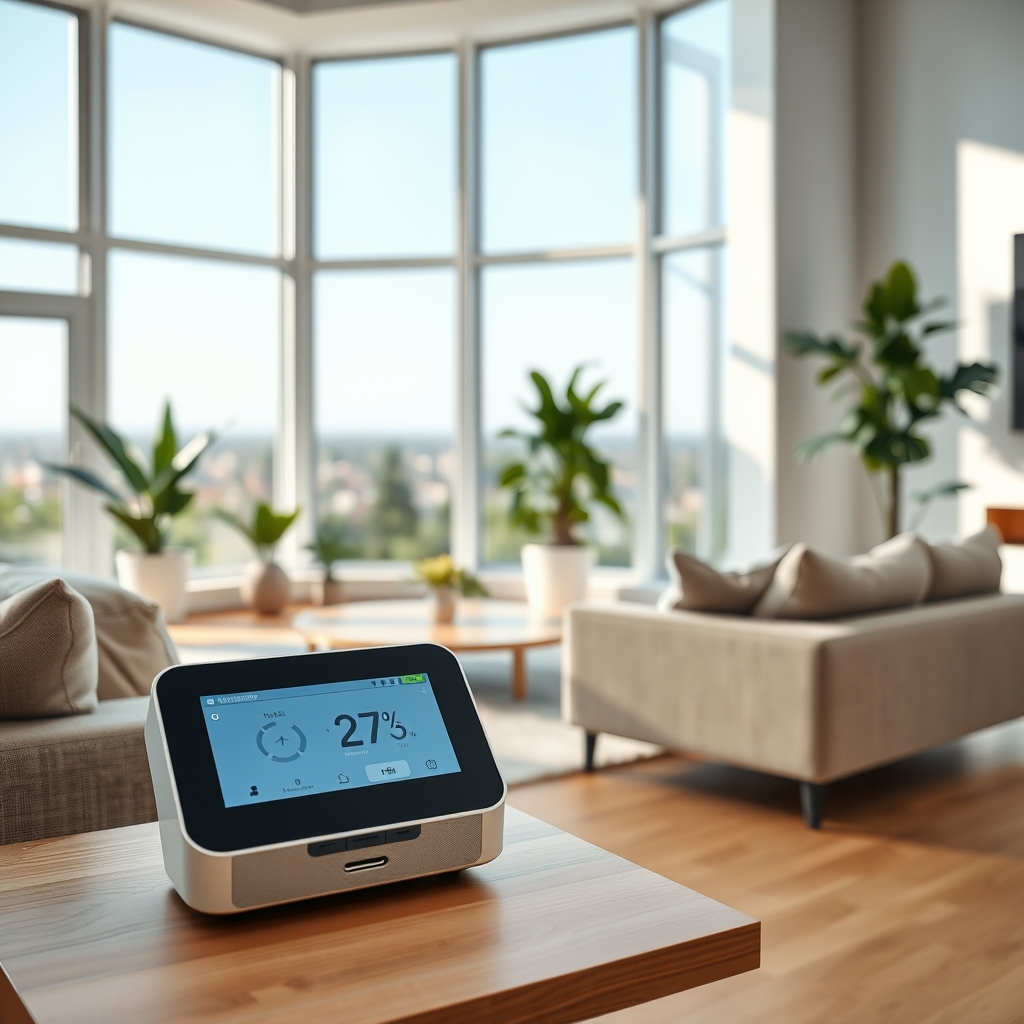
Common indoor pollution sources include off-gassing from furniture, pet dander, combustion (like gas stoves), dust, and mold spores. What you can’t see, your lungs still notice. Monitoring reveals patterns and hidden spikes that help prevent long-term problems—especially important for children or anyone with allergies.
Recent studies show 73% of customers rate experience as more important than price, so investing in a reliable monitor pays off in comfort and confidence over time.
What sensors and metrics you need (PM2.5, PM10, VOC, CO2, humidity, temp)
The right monitor tracks what matters. Here’s what you should look for:
- PM2.5 & PM10: Fine particles (PM2.5) and coarse particles (PM10) come from dust, smoke, and cooking. PM2.5 is especially linked with heart and lung issues.
- VOC (Volatile Organic Compounds) Monitor (Home): Detects harmful gases from paints, cleaners, and furniture. VOC spikes often mean you need better ventilation now.
- CO2 Levels (Home Office Productivity): Shows if your space is poorly ventilated. High CO2 in a home office productivity leads to headaches, slower thinking, and fatigue.
- Humidity and Temperature: Balances comfort, health, and even virus survival. Too dry or too damp? Both increase problems.
Combined monitors (all-in-one) are convenient, but sometimes less accurate than single-sensor units. For most homes, a balanced device is best—but always check independent accuracy reviews. Service quality counts: 65% of users prioritize service quality over advertising. Don’t be swayed by flashy marketing—a dependable, well-supported monitor is worth the investment for peace of mind and actionable insights.
Consider integration: devices that work with your smart home routines can automatically kick on purifiers or send alerts—this saves time and ensures lapses don’t go unnoticed. For deeper background on healthy indoor spaces, you might also enjoy our guide on creating a beautiful and functional outdoor space.
Interpreting readings — how to identify indoor pollution sources
Your home air quality monitor is only useful if you know what the data means. Look for these patterns:
- VOC burst after painting, using new cleaners, or bringing in new furniture—tip-off to increase ventilation.
- PM spike during or after cooking, especially frying or grilling, or if you burn candles.
- Sustained CO2 rise during a long work session in a closed office signals that your ventilation is insufficient for productivity and well-being.
Troubleshoot stepwise when you notice a spike:
- Check time stamps—what changed?
- Test the suspected source—open windows/ventilate, then retest and compare.
- Rank the source(s)—which events cause the most persistent spikes?
Many users face misleading readings or interpret them incorrectly. According to a major consumer complaints report, top pain points include misleading or inaccurate information from services. So, always validate with action: if a reading spikes, ventilate and compare results. Make it a habit to track patterns so you’re not caught off guard.
If you’re investing in improved living, don’t overlook other life upgrades—see our guide to modern home furniture for healthier, more comfortable interiors.
CO2 levels, ventilation and home office productivity
CO2 is more than a stuffy-room problem—it directly impacts focus, mood, and alertness. For productive home offices, keep CO2 below 900ppm. Prolonged exposure above 1200ppm causes fatigue and reduced cognitive performance, important for remote and hybrid professionals.
- Quick fixes: Open a window or door between calls.
- Upgrade: Use an air exchange system or smart purifier in rooms with heavy use.
Many are willing to pay for smarter CO2 guidance and easy support—42% of buyers say they’ll pay more for a friendly, helpful service. Look for devices with clear CO2 graphs, timely notifications, and direct support.
If your home improvement plans expand, check our article on the evolving home improvement landscape for system-level ideas.
How to choose the best air quality monitor for home 2026
By 2026, expect higher accuracy, better connectivity, and smarter support as standard. Use this decision checklist before investing:
- Sensor suite: At minimum, PM2.5, VOC, CO2, temp, and humidity. PM10 is a bonus.
- Calibration and certifications: Accuracy specs and recognized certifications matter for trust.
- Firmware and app updates: Look for vendors with proven update records.
- Data privacy: Transparent policies—avoid brands that sell user data.
- Home integrations: Works with Alexa, Google Home, or smart purifiers for automated control.
- Support and warranty: Accessible help and clear return policies.
It’s tempting to chase bargains, but 73% of consumers say a great experience outweighs cost; 65% prioritize service over advertising. This means the best air quality monitor for home 2026 is rarely the cheapest—it’s the one with strong after-sales care, proven reliability, and features you’ll actually use.
For pet owners, see our guide to essential pet products—controlling dander and odors is part of a healthier home.
Whole-home air purifiers with monitoring and smart integration
Standalone room monitors are easy starters, but if you’re planning for the long run or covering multiple floors, consider a whole home air purifier with monitoring. These integrate with HVAC systems, offer ducted coverage, and often include smart sensors that can trigger purifiers or ventilation automatically.
- Pros: Seamless control, house-wide coverage, less device clutter, better prevention of hidden pollution build-up.
- Cons: Higher upfront cost, professional installation usually required, and maintenance schedules are less flexible for renters.
Leading competitor articles often skip deeper topics like standards compliance and smart system integration. Advanced solutions now include AI-powered triggers and full smart home integration—ask about these features to future-proof your purchase.
Curious about other system-level home upgrades? Review our long-term strategies in the future of home improvement article.
Common user pain points and how to avoid them
Most household tech isn’t perfect, and air quality monitors are no exception. Frequent user complaints include:
- Connectivity drops, especially with Wi-Fi-dependent models
- False alarms from cheap VOC sensors or confusing app graphs
- Shady billing, tricky subscriptions, or hard-to-reach support
- Poor calibration—wrong readings lead to wasted effort
| Problem | Pre-Purchase Check | Post-Purchase Solution |
|---|---|---|
| Connectivity issues | Read owner reviews; confirm dual-band Wi-Fi or local/mesh options | Place relay or move closer to router; use Ethernet where possible |
| Accuracy complaints | Look for 3rd party test results and clear calibration instructions | Do an outdoor air test and compare, or use test gas kits |
| Billing/support troubles | Choose firms with public support SLAs, transparent subscriptions, and privacy guarantees | Keep proof of warranty/receipts and document serial numbers |
According to consumer complaints data, 89% of issues get vendor responses—yet only 0.8% end in refunds. Expect quick replies, but not always money back; prioritize brands with thorough documentation and transparency.

If you’re troubleshooting a particularly stubborn air quality issue, sometimes the solution lies outside—review our outdoor space tips for ideas on enhancing fresh air circulation at home.
Maintenance, calibration, warranties and vendor support expectations
To keep your home air quality monitor working for years, regular upkeep is crucial:
- Maintenance: Clean or replace particle sensors and filters every few months, as per manufacturer guidelines.
- Calibration: Some models offer auto-calibration, but confirm manual steps are easy. Once or twice a year is typical for home units.
- Warranties: Look for at least one year covering both parts and labor; some leading brands offer two or more for premium models.
- Support: Fast, clear channels are invaluable if issues arise—prefer brands with published support times and straightforward returns.
Nearly all companies respond quickly to issues, but friendly service is rare and highly valued—42% of consumers are willing to pay more for easy support (source). Require clear support links, published phone/email contacts, and avoid brands that lock support behind paywalls or require hidden subscriptions. For a holistic approach, don’t neglect other air quality factors like furniture choices—see our modern furniture guide for ideas.
Actionable 30-day plan to improve home indoor air quality using a monitor
Here’s a week-by-week, realistic starter plan to put your monitor and efforts to work:
- Week 1 – Baseline: Set up your monitor(s) in main living and bedroom areas. Log readings for AM, midday, and night. Identify biggest pollution times (after cleaning, during cooking, etc.).
- Week 2 – Source mitigation: Swap harsh cleaners for low-VOC options. Improve airflow during high readings. Test kitchen vents while cooking.
- Week 3 – Behavior changes: Try new cleaning routines (like vacuuming with a HEPA filter). Keep window/door slightly open during periods of high CO2 or PM for 10-minute intervals.
- Week 4 – Review & escalate: Compare week 1 and week 3 data. If levels are still high, add portable or whole-home purifiers. If CO2 stays high, consider mechanical ventilation or schedule professional HVAC assessment.
Take simple notes on each step. Even if you only make a few changes, a solid monitor plus focused actions yield steady improvement. Remember: 73% of users say a great experience is worth more than price, so choose brands with thorough support and clear guidance.
For more strategies on healthy home improvement, check our detailed industry insights.
Quick buying checklist and closing recommendations
Here’s your final, no-nonsense checklist:
- PM2.5, PM10, VOC, CO2, humidity, temperature
- Accurate, independently-tested sensors
- Simple app with clear graphs and notifications
- Smart home integrations (automation optional)
- Transparent data privacy policy
- Warranty of at least 1 year, 2+ is best
- User-friendly calibration and support
- Value: price balanced by real-world experience and support—not just specs
Top picks for different needs:
- Starter: Reliable midrange device with basic sensors and a well-rated app.
- Power user: Extended sensor suite, smart triggers, custom alerts, robust logging, and third-party integrations.
- Whole-home: Ducted or HVAC-integrated system with house-wide sensors, automated purification, and ongoing support.
Service and experience come first: 65% of buyers now say quality service trumps advertising. Ask vendors about support channels, update schedules, and AI-powered dispute resolution—these are real differentiators that leading articles still ignore. Don’t settle for less if you plan on keeping your investment working and improving.
FAQ
How accurate are home air quality monitor sensors?
Accuracy varies. Devices from trusted brands with third-party certifications and regular calibration are usually extremely reliable for home use. Cheaper or uncalibrated monitors can be off by 10–30%. Always check user reviews and request calibration details from the manufacturer.
What do I do if my monitor readings suddenly spike?
First, check for recent activities like cleaning or cooking. Ventilate the area, if possible. If spikes persist, relocate the device to check for local sources. Compare with known outdoor readings for context. Document recurring issues to discuss with support if needed.
Is it worth paying extra for a whole home air purifier with monitoring?
If you have a large home, children, allergies, or want to fully automate air quality upkeep, it’s a smart investment. These systems provide peace of mind with fewer surprises, but require more upfront cost and occasional professional support.
How often should I calibrate my home air quality monitor?
Ideally, once or twice a year for most models, or whenever you move to a drastically different climate. Some leading monitors offer self-calibration, but confirm this in the manual. Regular maintenance ensures ongoing accuracy.
Can I connect my air quality monitor to other smart home devices?
Yes. Many modern devices work with Alexa, Google Home, or Apple HomeKit. Some also integrate with smart purifiers—letting you automate ventilation or notifications based on actual readings. Check compatibility before purchasing.