

### Blog Post:
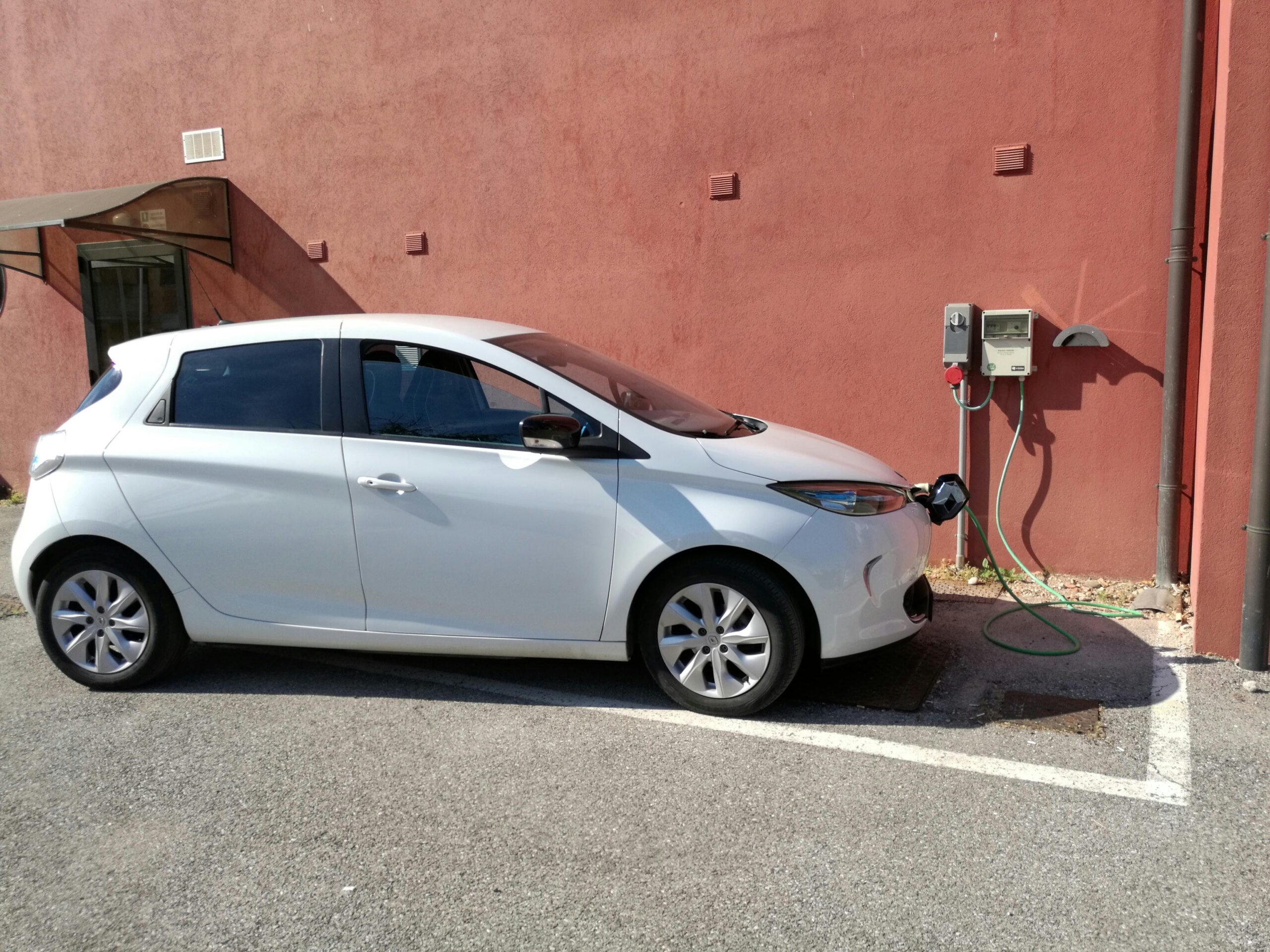
EV charger home installation is a top priority for suburban homeowners buying electric vehicles in 2024—and knowing what you’ll actually pay, which surprises to expect, and how to get a reliable quote is critical to budgeting and peace of mind. This guide strips away the guesswork, showing you exactly what to expect for true Level 2 charger install cost, including the big hidden drivers contractors see every week.
Key Takeaways
- 2024 Level 2 EV chargers installations typically costs $1,500 to $2,500 nationwide (hardware, labor, permits); panel upgrades are the biggest hidden cost.
- Permit fees ($50–$500), panel upgrades ($1,500–$4,000), and long wiring runs are the most common cost overruns and delays for homeowners.
- Itemized quotes, understanding permit/code details, and prepping panel photos get you apples-to-apples contractor bids you can trust.
- Quick answer — what a Level 2 EV charger installation typically costs in 2024
- Regional breakdown — what to expect by major U.S. region
- Why permits and panel upgrades are the biggest cost & timeline risks
- The three homeowner pain points installers report most often
- Full line-item cost breakdown
- How to tell if you need a panel or service upgrade
- Permit & code checklist — what competitors often leave out
- Charger selection — what specs matter in 2026 and recommended types
- Site prep & wiring specifics — garage vs. driveway, conduit, and the 240V option
- How to get reliable, comparable contractor quotes
- Incentives, rebates and strategies to lower out-of-pocket cost
- Typical timeline — from quote to charged EV
- Buyer checklist (what to have ready before the contractor arrives) + CTA
- Short FAQs
Quick answer — what a Level 2 EV chargers home installations typically costs in 2024
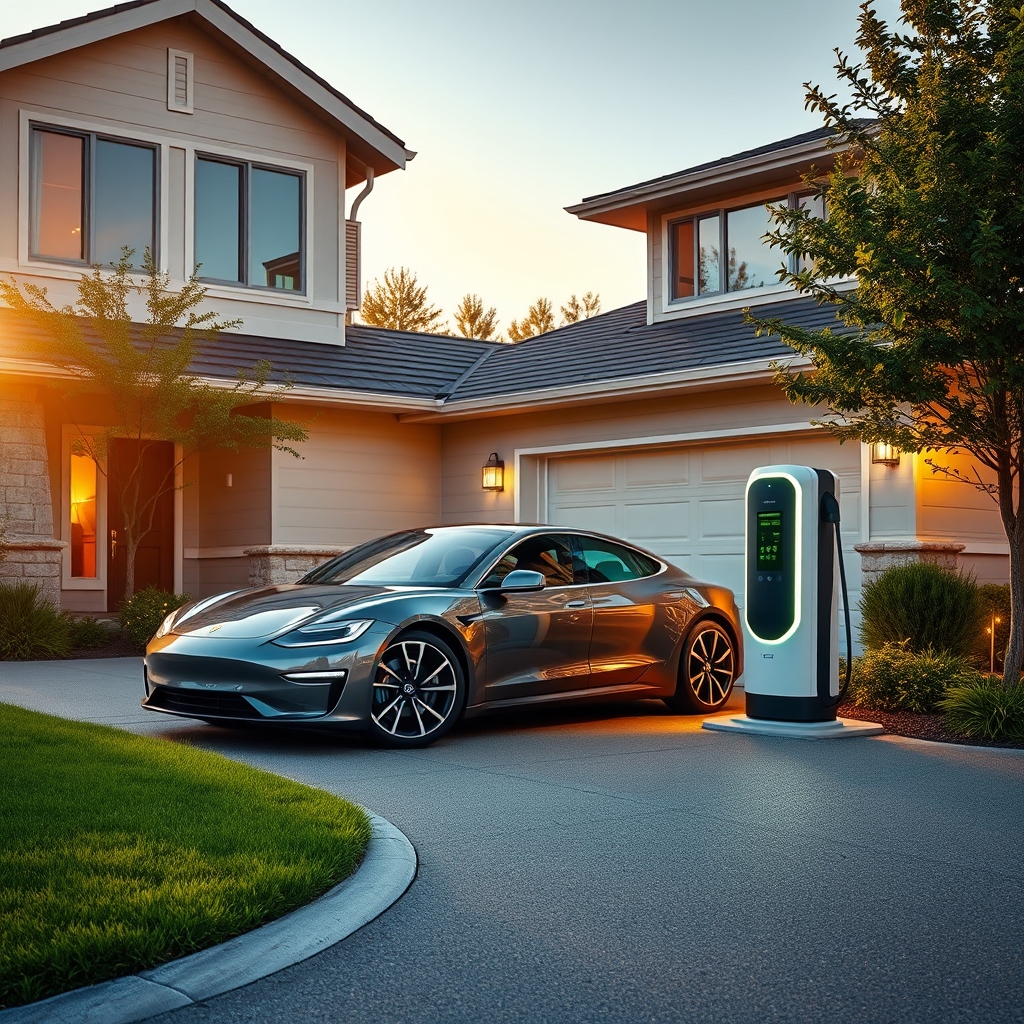
The typical cost for a Level 2 EV charger install in 2024—covering the charger unit, dedicated 240V circuit, wiring, conduit, breakers, and required permits—falls between $1,500 and $2,500 nationwide. This takes into account a mid-range 32–48 amp unit (suitable for most home and vehicle needs), with a national average of $1,800 to $2,100. Quick installs that do not trigger major upgrades can sometimes come in lower, but adding a panel upgrade or complex site work will raise costs fast. Be sure to clarify exactly what’s included in every contractor quote.
Regional breakdown — what to expect by major U.S. region
Labor rates, code enforcement, and permit fees make a major difference in Level 2 EV charger install cost depending on where you live. Here are the most common 2024 ranges by region:
- West Coast (CA, WA): $2,200–$2,900 due to higher labor rates and strict permitting.
- Northeast (NY, MA): $1,800–$2,400, reflecting higher labor and detailed code enforcement.
- Midwest (IL, OH): $1,400–$2,000, thanks to moderate labor and less stringent processes.
- South (TX, FL, GA): $1,300–$1,900—often the lowest, especially for basic jobs.
Be aware that homes with older wiring or long distances between the panel and charger location often exceed regional averages, even in more affordable areas.
Learn about regional outdoor improvement costs in our Lawn and Garden: Creating a Beautiful and Functional Outdoor Space guide.
Why permits and panel upgrades are the biggest cost & timeline risks
The number one source of cost overruns for EV charger home install is unexpected permit requirements or a required upgrade to your home’s main panel. Here’s why:
- Permits are required nearly everywhere, adding $50–$500 and can take days to weeks for approval and inspection. Complex municipalities may require multiple permits, especially for exterior trenching.
- Panel upgrades are needed if your current electrical panel doesn’t have enough spare capacity or physical space. About 40% of installations fall into this category, and prices average $1,500 to $4,000 (or more with service upgrades).
Most contractor horror stories boil down to one or both of these issues—sometimes only discovered at install day, delaying work and doubling costs. Always request your electrician’s load calculation before proceeding.
For more on hidden home improvement costs, see Lowe’s and the Future of Home Improvement Landscape.
The three homeowner pain points installers report most often
Based on installation contractor forum reports and customer reviews, the three most frequent pain points for homeowners are:
- Permit hold-ups: Slow or variable local permit processes add $50–$500 and can push back job scheduling by several days or weeks.
- Inadequate panel capacity: About 40% of homes inspected need a main panel or service upgrade ($1,500–$4,000), particularly in houses built before 2000.
- Unexpected site work: Long conduit runs, needing trenching through finished or concrete walls, or outdoor mounting often add unanticipated labor and materials ($300–$2,000 extra).
Qmerit contractor analysis confirms that permit/code issues and utility coordination for panel upgrades are the main sources of delays and surprise costs. Avoid these traps with a thorough site walkthrough and checklist, plus plenty of photos for your quotes.
Full line-item cost breakdown
To control your EV charger home install costs, insist on an itemized breakdown when requesting quotes. Here’s what should be listed in your estimate:
| Line Item | Typical Cost Range | Notes |
|---|---|---|
| Level 2 Charger Hardware | $300–$1,200 | 32–48A, smart or basic |
| Labor & Materials | $700–$1,500 | Varies by region/site layout |
| Permit & Inspection Fees | $50–$500 | Local variations, more for trenching/exterior |
| Main Panel Upgrade | $1,500–$4,000 | About 40% of homes need this |
| Exterior/Trenching | $200–$2,000 | For long conduit runs, wall patch, driveway work |
| Extras (Load Management Smart Hub, WiFi, Load Management) | $100–$500 | Optional, improves functionality |
(Compare with national cost ranges at ChargeHomeSolutions and ElectrifyHome)
Tip: If your quote lumps “installation” as a single fee, request this detailed breakdown to avoid hidden labor or permit charges.
How to tell if you need a panel or service upgrade (and what that will add)
Wondering if your existing main electrical panel can handle a Level 2 EV charger? Here’s your quick checklist:
- Your panel is full (no open breaker slots)
- Your home’s amperage is 100A or less (many modern homes are 150–200A or higher)
- You’ve added other large loads (hot tub, electric range, central AC)
- Panel is more than 25 years old or shows corrosion/damage
A quality electrician will run a NEC 2023 Article 625 load calculation to check if you need an upgrade. About 40% of homes need panel work. If needed, expect an additional $1,500–$4,000 and possible utility company coordination (can take days to several weeks).
Curious how this ties into overall home upgrades? See Furniture and the Modern Home Living Ultimate Landscape.
Permit & code checklist — what competitors often leave out
Most general guides miss the details that can derail your Level 2 EV charger install cost. Here’s exactly what you (or your installer) must verify:
- Current municipal/residential permit fee (often $50–$300; $500+ in dense cities or for excavation)
- Local equipment requirements (dedicated GFCI-protected 240V circuit; sometimes a visible disconnect switch)
- If trenching, driveway, or exterior wall work is involved—ask if a separate permit is required
- Inspection timing and if any re-inspection fees or pre-inspection photos are required
- Is the local code using the latest NEC version (2023)? This affects load calculations (minimum 7,200W or nameplate, whichever is greater) and new ground fault/disconnect mandates
- Does your area require utility sign-off for service upgrades or a special EV incentive form?
If your contractor can’t answer these before quoting, you may experience delays or fail inspections. Always clarify up front.
Charger selection — what specs matter in 2026 and recommended types
For nearly all single-family suburban homeowners, a 32–48 amp Level 2 charger offers the best balance of speed, price, and compatibility. Here’s what to look for:
- Amperage: 40A is more than enough for most vehicles; 48A future-proofs for larger batteries
- Connection type: Hardwired (more code-compliant, durable) vs. NEMA 14-50 outlet (slightly easier install, less weatherproof outdoors)
- Smart features: WiFi, scheduling, energy reporting, load balancing
Typical hardware costs are $300–$1,200 based on features (details here). Skip ultra-high amp or Tesla-exclusive units unless you truly need them. Explore smart charging convenience in our Pet Products: Essential Guide to Choosing the Best Products for Your Pets (applicable to pet owners adopting EVs, too!)
Site prep & wiring specifics — garage vs. driveway, conduit, and the 240V option
The simplest and cheapest EV charge installation is a short, surface-mounted run in a finished or unfinished garage, using a 240V dedicated circuit. The bigger your site obstacles, the higher your cost:
- Hardwired charger vs. 240V NEMA 14-50 outlet: Both require a dedicated line, but exterior 14-50s may need extra weatherproofing and more frequent re-inspections in strict codes.
- Conduit/wire run: Long or obstructed runs, especially if trenching through concrete, add time and money. A typical straightforward install takes 4–8 hours, but site complication can double that.
- Garage vs. driveway: Outdoor driveway chargers nearly always need extra permitting and weatherproof gear. Always check permit requirements for exterior charging.
- Finished surfaces: If patching, wall restoration, or repainting is needed, labor and finish costs can rise sharply.
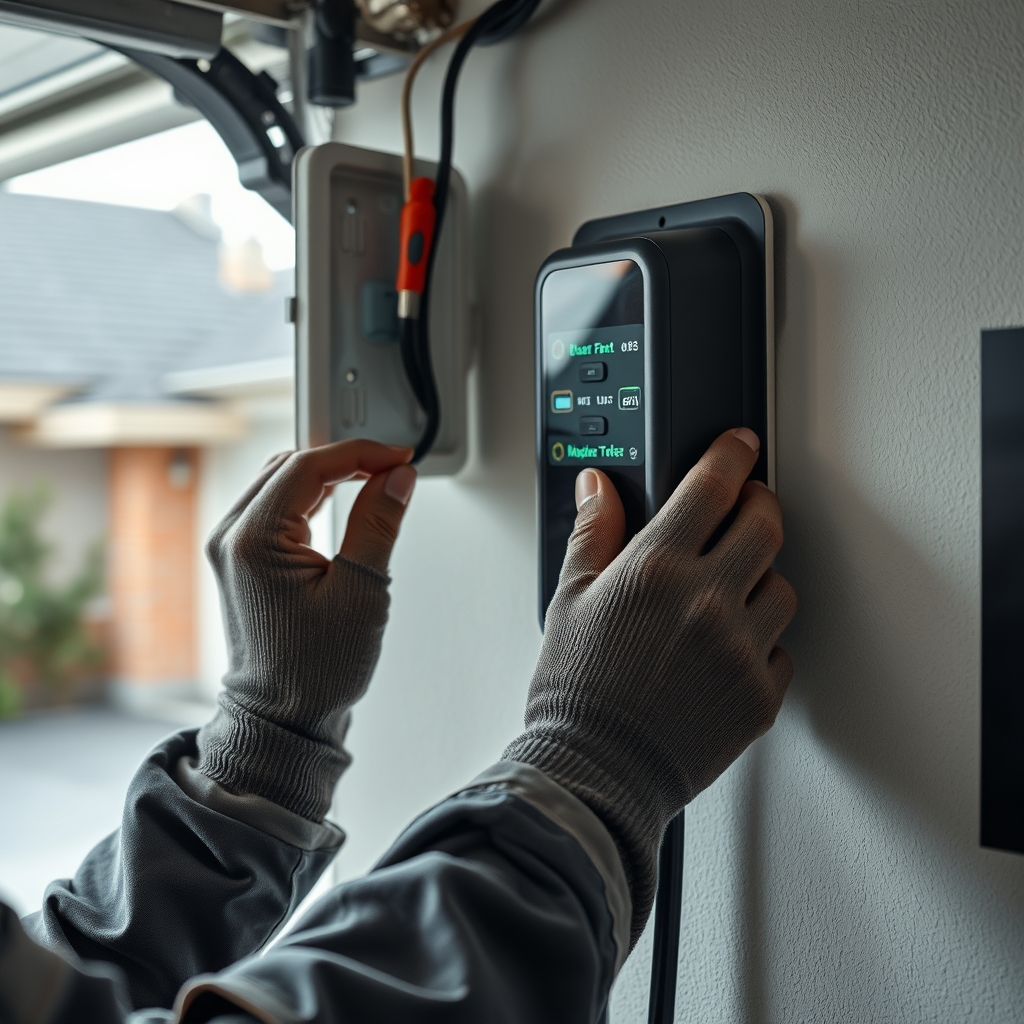
Avoiding surprises on install day: Document and photograph everything you think might slow down an electrician, especially from your main panel to charger location and any thick/finished walls crossed.
How to get reliable, comparable contractor quotes (step-by-step)
- Request at least three bids from licensed electricians who have done Level 2 EV charger installs in your municipality.
- During the site visit (or in your initial email), provide:
- Photos of panel (with cover open and closed), proposed charger location, and all key distances
- Details on EV make/model, desired amperage/output, and mounting location (garage, interior, exterior)
- Ask for written, itemized estimates including:
- Labor vs. materials
- Permit and expected inspection costs
- Whether a panel upgrade is required (and utility scheduling if needed)
- Estimated installation time and who schedules inspections
- Red flags: avoid contractors who are vague about permit costs, panel upgrades, or can’t provide local references.
Typical straightforward jobs (no trenching or panel upgrade) can be completed in 4–8 hours, sometimes in one day if permits and inspection can be scheduled up front.
Incentives, rebates and strategies to lower out-of-pocket cost
Federal, state, and utility incentives can often offset a major chunk of your upfront Level 2 EV charger install cost. Here’s where to look:
- Federal tax credits — usually up to 30% of install cost, capped per household (check current IRS EVSE guidance)
- State/local/utility rebates — some states (CA, NY, MA, FL, TX) offer $250–$1,000 direct rebates for residential chargers; check both state energy offices and your electric utility’s website
- Stack your application — Many programs require pre-approval or special forms signed by your installer
- Result: Actual out-of-pocket can drop to $200–$800 for well-prepared homeowners.
Learn more about typical savings here. Even if incentives are not available, you’ll often boost home value and enjoy years of low-cost charging at home.
Typical timeline — from quote to charged EV (including inspections)
Here’s what a standard Level 2 EV chargers home installation timeline looks like for most homeowners:
- Initial research and gathering photos/info: 1–3 days
- Quote requests/site visits: 2–7 days
- Permitting: 2–14 days (municipalities vary widely; ask your installer for average wait time)
- Installation Day: 4–8 hours for typical jobs (same day if no upgrades/complexity)
- Final inspection: 2–14 days to schedule, depending on local inspector backlog
Allow extra buffer if your panel needs upgrading or you’re in a permit-heavy city. Inspection is usually a formality if the job was pre-approved with the right checklist.
Buyer checklist (what to have ready before the contractor arrives) + CTA for getting local referrals/quotes
Save time and avoid confusion by preparing this short checklist for your EV chargers home installation contractor site visit:
- EV make, model, and charging specs
- Preferred charger location (garage, interior wall, driveway)
- Photos:
- Electrical panel (open/closed, label legibly)
- Proposed charger mounting area
- Distance/path from panel to charger location
- Clear list of questions about:
- Panel capacity (will you need an upgrade?)
- Permit requirements and expected fees
- Estimated completion and inspection dates
- Labor and materials separation in quote
Set a preliminary budget of $1,500–$2,500 (average $1,800–$2,100). Ready to get connected? Request at least three local quotes with your checklist and photos for the best results.
Short FAQs
Can I install a Level 2 EV charger myself?
Almost always, no. Level 2 chargers require a dedicated 240V circuit, proper load calculations, and local permits for safety and code compliance. Licensed electricians ensure safe installs and prevent insurance/code issues.
Do I need a permit for EV charger home install?
Yes, almost all jurisdictions require electrical permits for residential EV charger installation, with fees commonly $50–$500. Ask your city or your electrician to confirm the exact permit type—especially for exterior/trenching work.
Is a NEMA 14-50 outlet good for home EV charging station setup?
Yes, many EV owners use a NEMA 14-50 outlet, but it must be on its own 240V GFCI-protected circuit and comply with the latest NEC code. Weatherproofing is essential for outdoor installs.
How long does a Level 2 EV charger last once installed?
Most Level 2 chargers are warrantied for 3–5 years and regularly function well for 5–10+ years. Quality of hardware and install matter most for lifespan.
How much of my home’s power does a Level 2 EV charger draw?
Per the 2023 NEC rules, the circuit is sized to handle either 7,200 watts or the actual nameplate rating of your charger (whichever is higher). Your electrician should calculate this before installation to ensure panel safety.
—