

### Blog Post:
SPC flooring installation is rapidly becoming the go-to solution for cost-conscious homeowners and remodelers who want the look of hardwood with far greater water resistance and durability—without the premium price tag. But what are the real numbers, advantages, and downsides you need to know before committing?
Key Takeaways
- SPC (Stone Plastic Composite) flooring installations rose from around 150 million sq ft in 2022 to about 180 million sq ft by 2026, with average installed prices at $3.50–$4.50 per sq ft (market reports).
- SPC flooring is more waterproof and stable than luxury vinyl plank (LVP), and less expensive than hardwood, but real-world complaints focus on installation flaws, wear, and recyclability.
- Three essential but often-overlooked factors: pre-installation moisture protocols, full lifecycle ownership costs, and end-of-life sustainability.
- Quick answer — Is SPC the right choice for you?
- SPC vs LVP vs Hardwood — side‑by‑side comparison
- Market context — demand, growth and what that means for buyers (2022–2026 snapshot)
- True cost comparison — upfront vs lifecycle cost
- Waterproof performance & real‑user reviews — what can go wrong
- Installation pitfalls & rigid‑core vinyl plank installation tips (DIY vs pro)
- Warranty realities — what warranties actually cover and common claim outcomes
- Three often‑missed topics competitors ignore
- Best SPC flooring brands for 2026 — shortlist and buying checklist
- Room-by-room recommendations and quick spec table
- Quick FAQ — 7 high‑impact buyer questions
- Conclusion & recommended next steps
Quick answer — Is SPC the right choice for you?
SPC flooring installation offers a smart middle ground for those who want the character of hardwood without its vulnerabilities or price tag. SPC is far more waterproof than real wood and more stable dimensionally than flexible LVP, making it ideal for kitchens, basements, and rental units. The market tells the story: U.S. SPC installs have grown from approximately 150 million sq ft in 2022 to about 180 million sq ft in 2026, with average installed prices in the $3.50–$4.50 per sq ft range. The main tradeoffs are that, while resilient, SPC’s long-term wear and recyclability don’t match solid hardwood. For many, though, it’s a pragmatic, low-stress upgrade that looks great for years.
SPC vs LVP vs Hardwood — side‑by‑side comparison
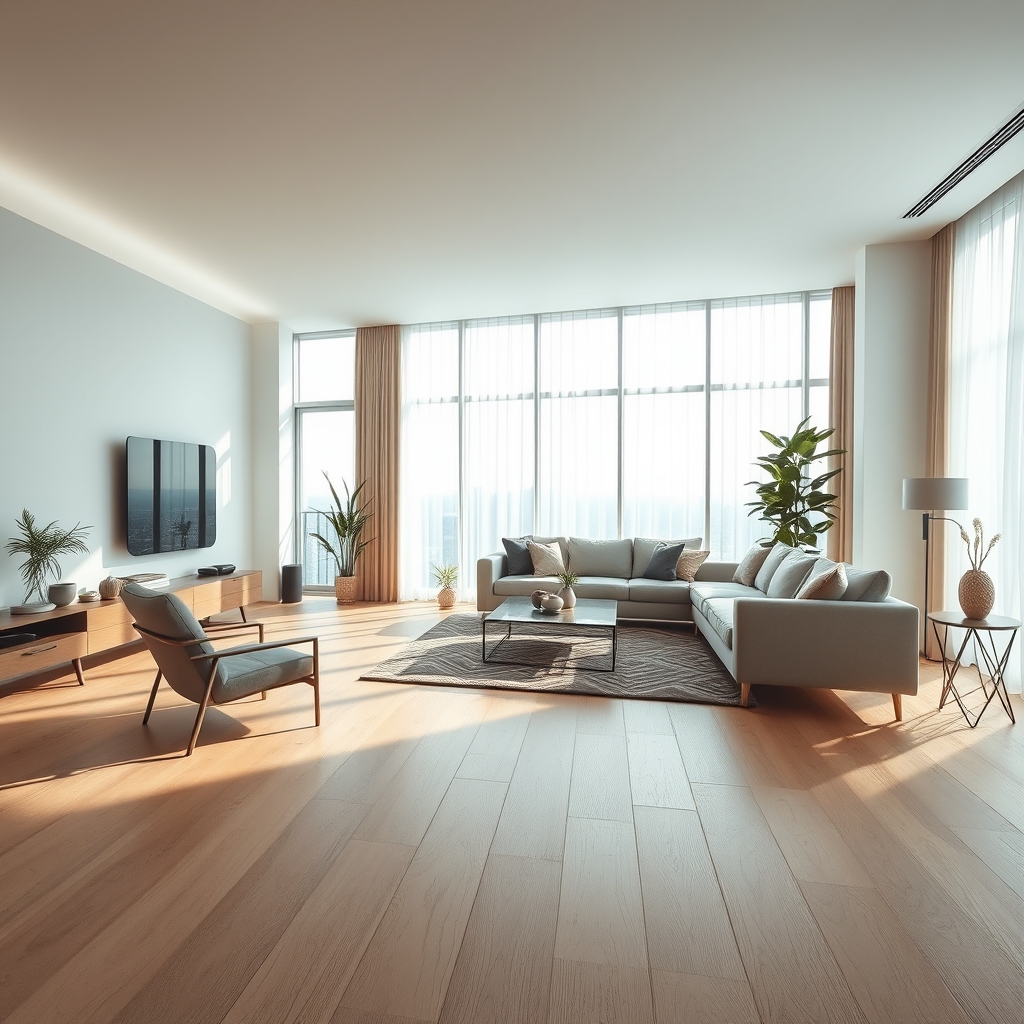
When evaluating flooring materials, homeowners typically juggle cost, appearance, durability, waterproofing, and resale value. Here’s a direct side-by-side using measurable details and market data.
| Feature | SPC Flooring | LVP (Luxury Vinyl Plank) | Hardwood |
|---|---|---|---|
| Appearance Realism | Very good (can mimic wood closely) | Good to very good | Best (natural variation) |
| Waterproof | Yes | Yes (except low-end glue-down) | No (water can damage) |
| Dimensional Stability | Excellent | Good | Variable (can swell/shrink) |
| Avg. Installed Cost/sq ft | $3.50–$4.50 | $3–$5 | $7–$12 |
| Resale Value | Good (desirable in basements/kitchens/rentals) | Neutral to good | Best (traditionally valued) |
| Recyclability | Limited (PVC/limestone core) | Limited | Excellent (natural wood) |
Industry data (2022–2026) shows the LVP segment in the U.S. grew from about 200 million sq ft in 2022 to around 230 million sq ft in 2026, and is globally valued at $10–$12 billion. By contrast, hardwood installs about 90 million sq ft in the U.S. (2022) with an average price of $7–$12 per sq ft. For rooms exposed to moisture or heavy use, SPC stands out as a cost-effective, durable choice.
Market context — demand, growth and what that means for buyers (2022–2026 snapshot)
The global SPC market grew from about $6.5 billion in 2022 to an estimated $8.2 billion in 2024 and is projected to reach $14.3 billion by 2033. North America leads with an 8.4% CAGR. This boom has driven more brands and choices, but also a wide range in quality, warranties, and installation requirements. Higher demand means buyers must scrutinize not just price, but the details in installation specs and warranty reliability. Source: market reports.
True cost comparison — upfront vs lifecycle cost
It’s tempting to focus only on the initial cost, but real value comes from calculating both upfront and lifecycle expenses. The average installed price for SPC flooring sits at $3.50–$4.50 per sq ft, while hardwood averages $7–$12 per sq ft. But consider maintenance, durability over time, and possible replacement cycles. SPC’s core resists water and warping, reducing repair costs—making it cheaper long-term in kitchens, basements, and rentals. However, unlike hardwood, SPC cannot be sanded and refinished if it wears down.
Waterproof performance & real‑user reviews — what can go wrong
Reviews praise SPC’s waterproof core, but real-user data shows avoidable headaches:
- Click-lock disengagement or edge lifting: 12% of reviewers face this—usually caused by uneven subfloors or improper installation.
- Premature surface wear: 9% notice loss of finish texture, often from low wear-layer thickness or heavy abrasion.
- Delamination when exposed to standing water: 7%, mainly in poorly installed systems or flood-prone rooms.
- Chemical odor at install: 5% report strong chemical odors during initial installation.
Manufacturers report around 5–6% of installed SPC floors result in a warranty claim within the 10-year limited warranty window, with water-related failures comprising 2–3% of claims (industry data 2022–2026).
To minimize issues, insist on documented subfloor checks, wear layer specs (at least 20mil for busy rooms), and ventilation during installation.
Installation pitfalls & rigid‑core vinyl plank installation tips (DIY vs pro)
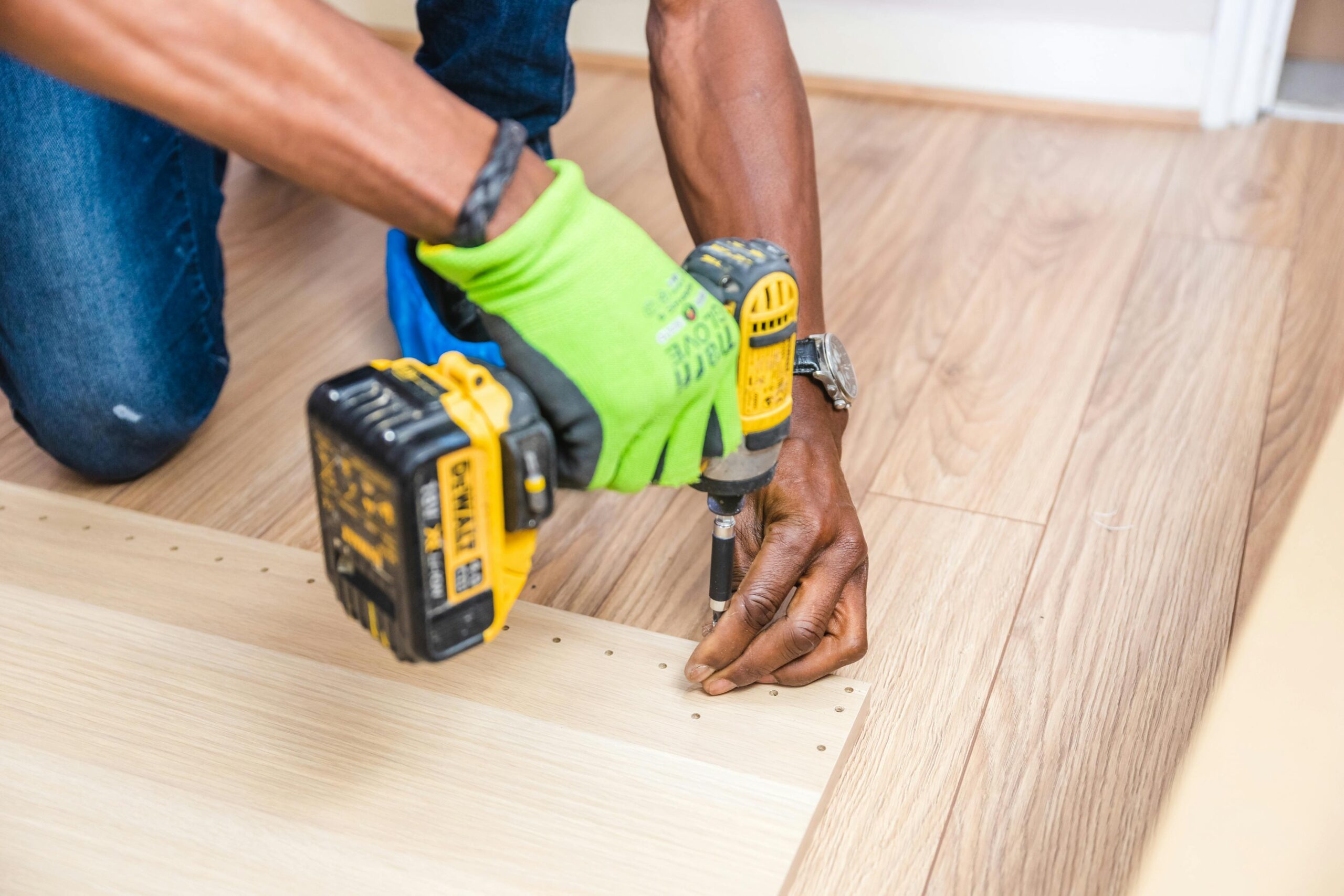
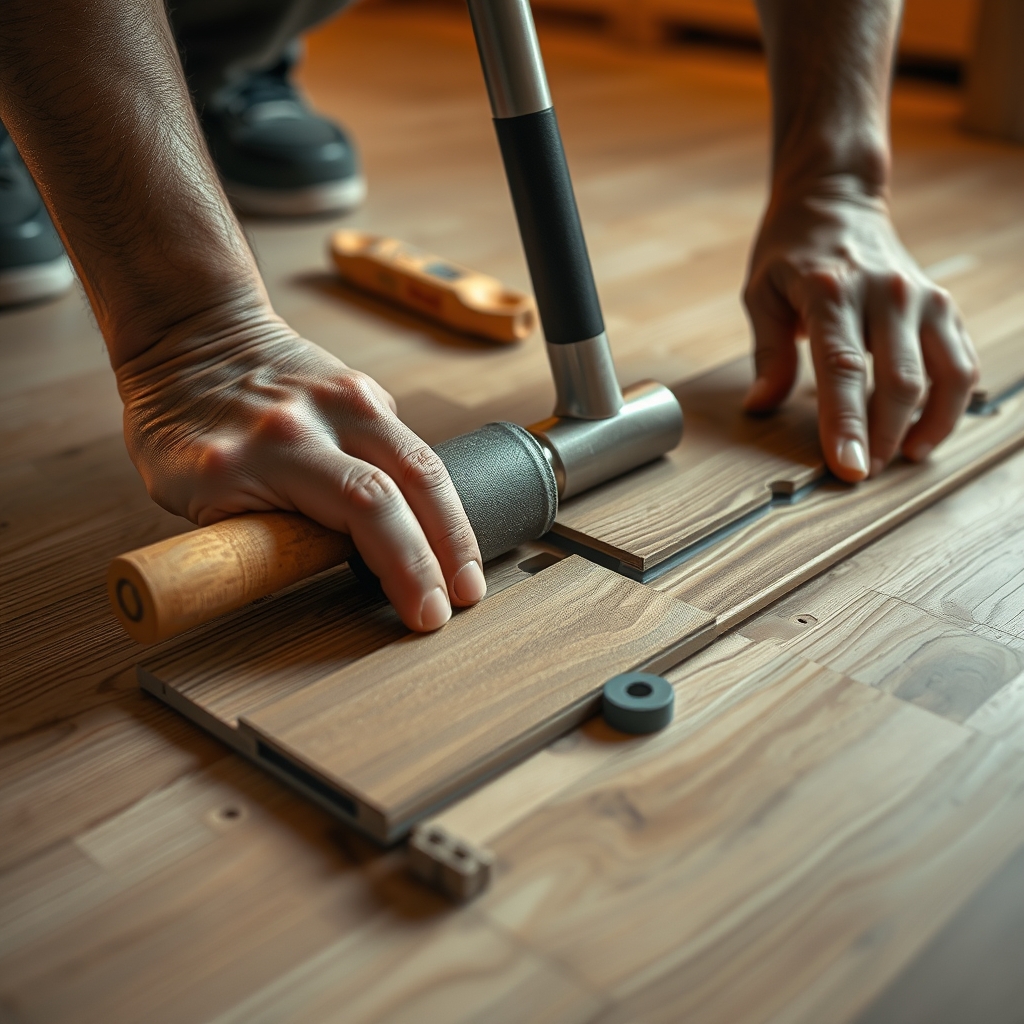
Poor SPC flooring installation is the #1 reason for edge-lifting and lock disengagement. Follow these practical steps for a problem-free install:
- Test subfloor flatness: It should be within 3/16″ over 10 feet (use a long level).
- Acclimate planks: Store opened boxes in the room for at least 48 hours to normalize temperature/humidity.
- Use a vapor barrier: Especially for installs over concrete or below grade.
- Lock planks firmly: Ensure the click-lock joints snap tight, with no debris in grooves.
- Leave proper perimeter gap: Typically 1/4″ to allow for expansion.
Glue-down or loose-lay methods work better for heavy equipment rooms or uneven slabs. For large, irregular, or high-traffic spaces, hiring an experienced installer with SPC certifications is worth the extra cost. Remember, most issues (about 12% per user reviews) originate from rushed or improper DIY jobs (market report).
- Check subfloor with a 6′ straightedge; fill dips and sand down high spots.
- Test moisture content with a meter; confirm it meets manufacturer’s tolerance.
- Lay out planks dry to visualize pattern and minimize narrow end pieces.
- Ventilate the room well during and after installation to dissipate odors.
- Photograph each step for warranty documentation.
Warranty realities — what warranties actually cover and common claim outcomes
Most SPC brands offer a 10-year limited residential warranty. This typically covers:
- Defects in material and manufacturing (not wear from improper use)
- Certain water-related failures if installed to spec
- Surface wear-through beyond typical expectations
Voiding events are common: improper installation, high subfloor moisture, standing water, or using the wrong cleaning products. To claim, keep all receipts, document subfloor testing, and photograph the install. Realistically, about 5–6% of SPC installs generate a claim, and only 2–3% relate directly to water issues (2022–2026 market data). If in doubt, request a written installer warranty to cover labor as well as materials.
Three often‑missed topics competitors ignore
a) Pre‑installation moisture-control protocols
Many competitors skip detailed advice here. Always use the vapor barrier specified by your SPC brand—this may mean 6mil poly sheeting or a rated underlayment roll. Confirm the presence of a capillary break if installing below grade. Moisture tolerance is typically <2.5% for wood subfloors and <3.5% for concrete, but always check packaging. Neglecting vapor control is a prime trigger for warranty voiding and long-term floor failure.
b) Rigorous lifecycle-cost modeling
Factor in that SPC usually needs full replacement if worn or stained; hardwood, by contrast, can be refinished 2–3 times, giving it a lifecycle of 40+ years to SPC’s average 12–20 (home/rental unit). However, in wet or hard-use areas, SPC’s lower initial and repair costs win out for most mid-price remodels. For more on balancing cost, durability, and design, see our insights into the home improvement landscape.
c) End‑of‑life sustainability & recyclability
Most SPC planks are difficult to recycle (due to the limestone core and mixed PVC), with limited post-consumer pathways. Production of SPC has a higher carbon footprint than refinished solid wood, though less than carpet or many laminates. If eco-impact matters, seek brands disclosing recycled content or offering take-back programs. You might also explore alternative flooring for truly sustainable renovations—see modern home living for tips.
Best SPC flooring brands for 2026 — shortlist and buying checklist
Based on 2026 market reports, top brands include Shaw, Mohawk, Mannington, Armstrong, Tarkett, Karndean, as well as regional leaders and specialty importers. Choose with care—product variety is growing, but the best SPC planks share these features:
- Wear layer: 20mil (0.5mm) is the current “safe minimum” for active homes; heavier is better for rentals.
- Surface rating: Look for AC or PEI-rated coatings, or brand-specific durability claims.
- Core composition: Seek dense, high proportion limestone composite cores for maximum stability.
- Warranty: Get clear details on what’s covered—and what’s not.
For the best results, take these practical steps before buying:
- Order samples of all finalist brands; do a surface odor check.
- Ask for written install instructions and warranty info up front.
- Get installer recommendations and confirm certifications, especially for rental units or multi-room jobs.
- Verify the wear layer thickness and core specs match marketing claims.
For more on vetting materials, review our lawn and garden improvement tips—many best practices for home materials also apply to flooring brands.
Room-by-room recommendations and quick spec table
Not every room needs the same SPC product. Here’s how to choose the right specs for specific purposes:
- Kitchen/family rooms: Prioritize high wear layer (≥20mil), waterproof core, and stain-resistance.
- Basement or below-grade: Insist on strict vapor barrier specs and 100% waterproof guarantee.
- Bath/laundry: Go for textured finishes to reduce slip and ensure all perimeter joints are sealed.
- Rental units: Balance thicker wear layer with solid labor warranty; avoid style fads.
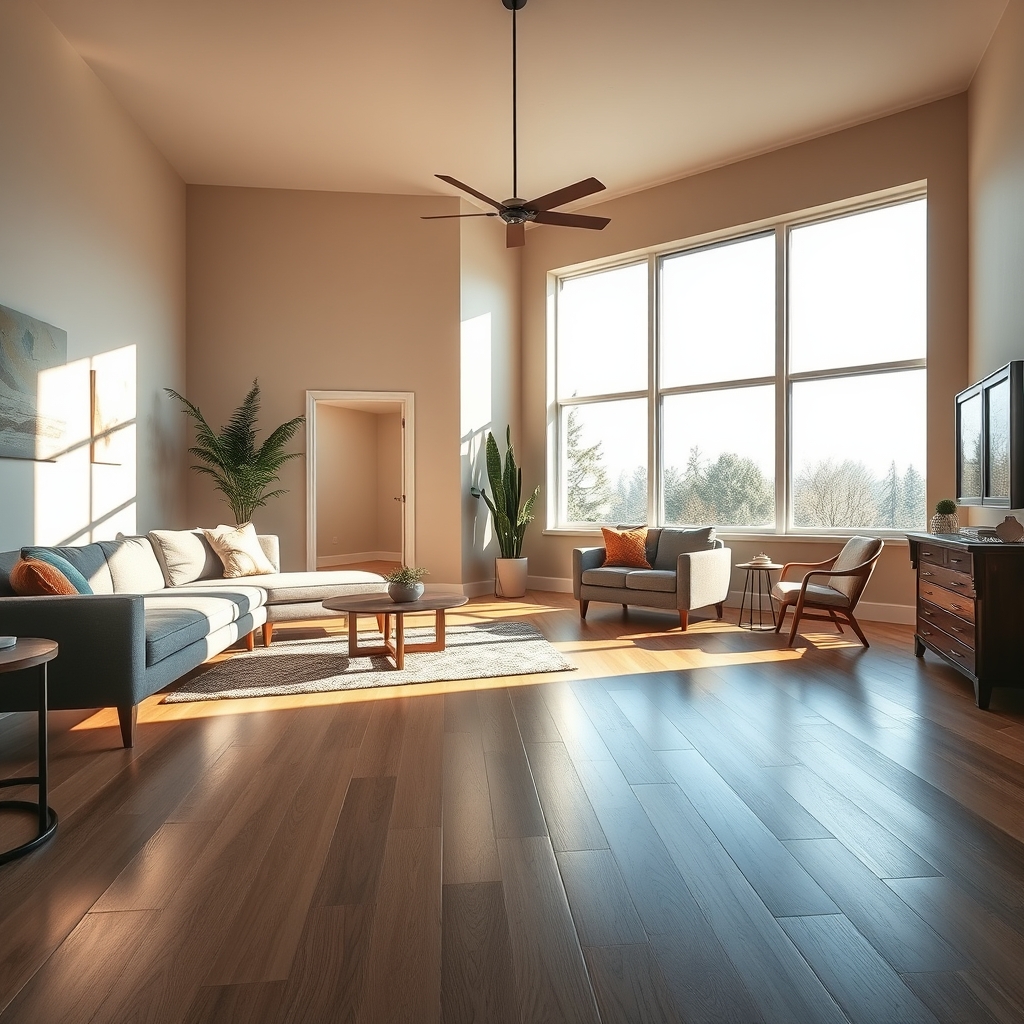
- Living rooms: Appearance realism and underfoot feel matter—test samples under real lighting.
SPC remains favored for wet and high-traffic rooms, with market growth largely fueled by waterproof durable designs (see vinyl flooring market analysis). For information on selecting other home improvement materials, check our guide to choosing the best pet products—attention to surface durability and cleaning will serve you well.
Conclusion & recommended next steps
For most mid- to upper-middle-income homeowners, SPC flooring installation delivers a rare mix of affordability, waterproofing, and modern looks—without most of the downsides of real wood. Here’s a direct path to success: (1) Always confirm wear layer and warranty terms; (2) Require a documented subfloor moisture test and enforce written moisture tolerances; (3) Get both an install and product warranty in writing, with references for your installer. Don’t hesitate to request plank samples and professional install references. With the installed SPC price at about $3.5–$4.5 per sq ft vs. hardwood’s $7–$12, and U.S. installs at around 180 million sq ft by 2026, SPC is a mainstream, validated choice for value- and quality-driven projects.
Quick FAQ — 7 high‑impact buyer questions
How durable is SPC flooring compared to hardwood and LVP?
SPC’s rigid core resists dents, moisture, and most spills better than both hardwood and flexible LVP. However, unlike hardwood it cannot be sanded or refinished, so after its wear layer goes, you must replace the plank.
Can SPC flooring be refinished?
No. Once the top layer wears through or is scratched beyond repair, the plank must be replaced—unlike hardwood which can be sanded and resealed multiple times.
What’s the real difference: luxury vinyl plank vs hardwood?
LVP offers a vinyl-based flexible plank with moderate dimensional stability and good waterproofing, but the realism isn’t quite as high as hardwood. Hardwood is authentic and repairable, but expensive, less water-resistant, and needs periodic care. SPC is more rigid, stable, and waterproof than both in daily use.
How should I handle spills or leaking appliances on SPC?
Wipe up standing water quickly. Short-term moisture is fine but constant standing water (leaky appliances, repeated floods) may cause delamination. Use SPC for kitchens, baths, and basements, but keep humidity in check for best results.
Is there a strong smell during or after installation?
About 5% of reviewers report strong chemical odors during SPC installation (off-gassing), especially from lower-cost brands. Ventilate well and air out planks in advance if possible.
Are SPC warranties transferable to new homeowners?
Most manufacturer warranties are not transferable. However, ask up front; some premium brands offer limited transfer coverage with proper documentation.
How does SPC affect resale value?
Buyers appreciate SPC in kitchens, basements, rentals, and wet-prone areas. While not as valuable as solid hardwood in formal living areas, it usually improves market appeal compared to old carpet, vinyl, or laminate.
—